Color Craft Paper Texture Backgrounds: Elevate Your Designs
The Authentic Touch Digital Design Craves
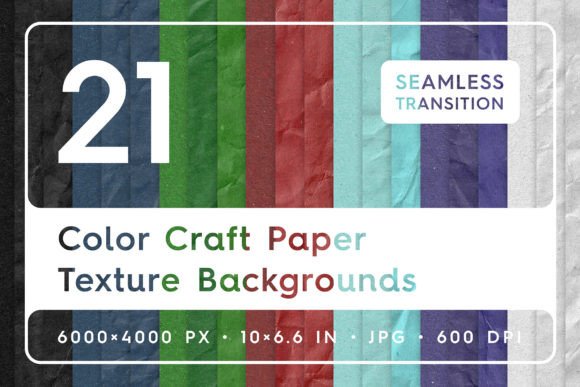
In a world saturated with clean, digital perfection, there's a powerful counter-movement seeking authenticity and tactile warmth. This is where Color Craft Paper Texture Backgrounds find their purpose. This collection isn't just a set of images; it's a bridge between the organic, imperfect beauty of physical materials and the precision of digital design. The set offers 21 high-resolution files, providing a rich palette of seven core colors—red, orange, yellow, green, blue, purple, and brown—each presented in three variations. You get both a smooth, clean surface and two distinct crumpled textures for every color, giving you immediate versatility to match the specific mood of your project.
The visual personality of these textures is unmistakably grounded and genuine. The smooth papers offer a subtle, fiber-rich grain that adds depth without overwhelming content. The crumpled variations introduce dynamic shadows and highlights, creating a sense of history, use, and handcrafted character. This isn't a sterile, perfect background; it's a foundation with a story. The seamless transition is critical here, allowing you to scale these textures for any application—from a small social media icon to a large-format poster—without worrying about visible tiling or awkward joints. At 6000x4000 pixels and 600 DPI, they are built for professional print and high-resolution digital work, ensuring your final output is sharp and detailed.
Where Craft Textures Make a Real Impact
Understanding where to deploy these textures is key to unlocking their value. Their strength lies in projects where you want to convey warmth, creativity, sustainability, or a handmade aesthetic. Think beyond just a "nice background." In brand identity and logo design, a subtle craft paper texture applied to a business card or letterhead can instantly communicate a brand's artisanal or eco-conscious values. For packaging design, these textures are invaluable. Imagine a coffee brand using a brown crumpled texture on its bag, or a boutique soap company using a soft green smooth texture on its label—it immediately connects the product to natural, simple ingredients.
In the digital realm, these backgrounds excel in web design for hero sections, blog post featured images, or landing page elements, breaking the monotony of flat color blocks. They are perfect for social media graphics, especially for platforms like Instagram and Pinterest, where visual texture stops the scroll. A food blogger can use a yellow or orange craft paper background to make recipe photos pop. An author or publisher can use a blue or purple texture for book cover mockups or promotional materials, adding a layer of sophistication and depth that flat colors lack. For editorial design, such as magazine layouts or e-books, they can serve as section dividers or pull-quote backgrounds, enhancing the reader's tactile experience even on a screen.
Practical Guidance for Seamless Integration
Adopting a new design asset requires a strategic approach. First, evaluate the project's tone. Is your client a law firm or a pottery studio? These textures are a natural fit for the latter and a bold, potentially disruptive choice for the former. Always consider your audience. The textures resonate strongly with adults aged 20-50 who appreciate craftsmanship, authenticity, and visual warmth.
Next, consider font pairing. This is where modern typography meets organic texture. A clean, geometric sans serif font can create a beautiful, contemporary contrast against a crumpled paper background, balancing modernity with tradition. Alternatively, pairing with a handwritten font or a script font can amplify the artisanal, personal feel. For a more classic approach, a sturdy serif font can ground the texture, creating a look that feels established and trustworthy. Always test your type for readability; ensure sufficient contrast between your text color and the texture's tones, especially in areas with prominent shadows from the crumpled versions.
The inclusion of both smooth and crumpled variations in each color is a significant advantage. Use the smooth textures when you need a refined, subtle backdrop that doesn't compete with intricate graphics or detailed typography. Opt for the crumpled versions when you want the background itself to be a statement piece, adding energy and dimension. Finally, always review the licensing for any commercial font or asset. This set is designed for both personal and commercial use, but confirming the specifics ensures your brand identity materials or client projects are fully compliant. By thoughtfully integrating these premium design assets