Dynamic 3D Sliced Text Effect: Elevate Your Designs
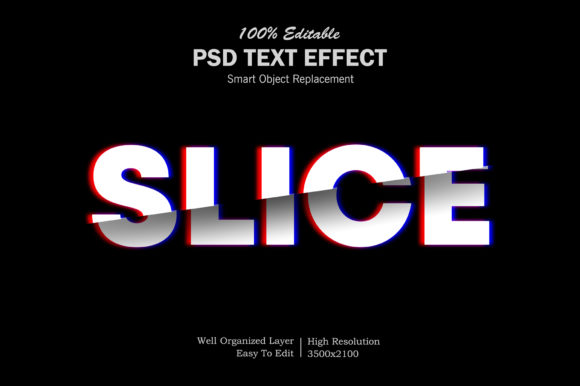
In the fast-paced world of digital marketing and content creation, grabbing attention is no longer just a goal—it is a necessity. Flat text often gets lost in the noise of social media feeds and crowded websites. This is where the 3D Color Vision Cut Sliced Text Effect steps in, offering a sophisticated yet accessible solution for designers and creators. It is not merely a filter; it is a comprehensive design asset that transforms standard typography into a striking visual statement. By combining depth, color separation, and a clean "cut" aesthetic, this effect creates a modern typography look that feels both industrial and artistic, perfect for projects that demand a second glance.
Visual Characteristics and Personality
The defining trait of this resource is its unique ability to simulate depth through color displacement. Unlike standard drop shadows or generic bevels, the "sliced" appearance suggests that the text has been physically constructed and then separated, revealing vibrant layers of color beneath. This creates a premium font style aesthetic without requiring you to purchase an entirely new typeface. The personality of this effect is bold, energetic, and contemporary. It bridges the gap between 3D rendering and flat design, offering a style that is incredibly versatile for web design and social media graphics.
Because the effect is applied via Smart Objects, it acts as a wrapper for any text you choose. Whether you are using a heavy sans serif font for impact or a delicate serif font for contrast, the 3D slicing adapts to the letterforms. This flexibility makes it a valuable addition to any designer's toolkit, allowing you to maintain your existing brand identity while adding a fresh, three-dimensional twist to your headers and titles.
Practical Applications for Branding and Marketing
Understanding where to deploy the 3D Color Vision Cut Sliced Text Effect is key to maximizing its potential. This graphic resource shines brightest in high-visibility environments. For logo design, it can serve as a temporary promotional style or a permanent mark for brands in the tech, gaming, or entertainment sectors. The depth and color variation make logos pop against both light and dark backgrounds.
Consider the impact on packaging design and physical merchandise. When applied to T-shirt design or clothing mockups, the sliced effect mimics the look of expensive embroidery or multi-layered screen printing, adding a tactile quality to the digital image. Similarly, for poster design and flyers, this effect ensures that your headline is the undisputed focal point, guiding the viewer's eye exactly where it needs to go.
For digital creators, the applications are endless. It is an exceptional tool for creating YouTube channel art, Twitch overlays, or Facebook covers that need to stand out in a scrolling timeline. The effect also works beautifully for editorial design, particularly for magazine covers or blog post headers where a creative font style is required to convey a sense of modernity and innovation.
Technical Workflow and Ease of Use
One of the most significant barriers to high-quality design is often the technical complexity of 3D software. This asset eliminates that hurdle. The workflow is streamlined for efficiency, making it accessible to hobbyists, small business owners, and professional graphic designers alike. The process relies on the power of Adobe Photoshop’s Smart Objects.
To edit the file, you simply open the PSD, locate the Smart Object layer labeled "Your Text," and double-click. Inside, you replace the placeholder text with your own message. Upon saving, the main file updates instantly, applying the complex 3D slicing, shadows, and color effects to your specific typography. This non-destructive editing method means you can experiment with different words and phrases—be it for a movie title, a greeting card, or a banner promotion—without ruining the original structure. The well-organized layers ensure that even if you want to tweak the colors or shadow intensity, the process remains intuitive.
Design Strategy and Font Pairing
While the effect is visually dominant, success lies in how you integrate it into your broader design strategy. When selecting the text to apply the effect to, consider the weight and width of the typeface. Heavy, geometric sans serifs often yield the most readable results, especially for banner promotions or placards viewed from a distance. However, pairing a sliced headline with a clean, minimalist body copy is essential to avoid visual clutter.
For instance, if you use the 3D Color Vision Cut Sliced Text Effect for a movie title or a cartoon title, balance it with a simple script font or standard text for the credits or description. This contrast creates a clear visual hierarchy, ensuring that the audience engages with the headline first, then moves on to the details. The goal is to use the 3D effect to establish tone and energy, while the surrounding text provides context and readability.
Ultimately, this resource is about versatility and professional polish. It allows you to produce high-quality design assets quickly, ensuring that your projects—from illustrations