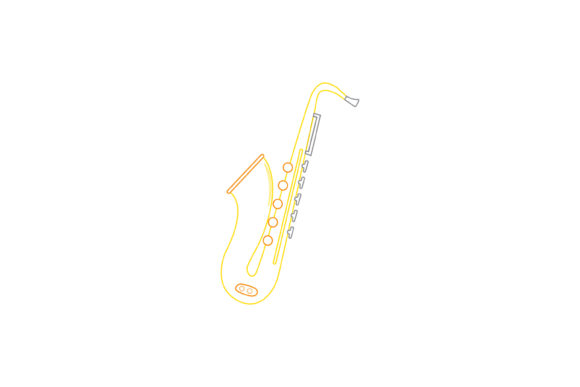
Music Instrument Saxophone Color Line: A Designer's Guide
Understanding the Visual Character of This Creative Font
The Music Instrument Saxophone Color Line typeface immediately captures attention with its distinctive personality. It's not your everyday workhorse font; this is a creative font designed for impact. Its defining visual characteristic is the elegant, flowing line work that evokes the curves of a saxophone itself. The letterforms are structured yet fluid, with a sense of rhythm and movement built into each glyph. This creates a style that feels both artistic and purposeful, perfect for projects where you want to convey creativity, sophistication, and a touch of musicality.
As a display font, its primary role is to headline and attract. It excels in short bursts—logos, titles, headers, and callouts. The "Color Line" aspect refers to its inherent design, which lends itself beautifully to color application. You can easily assign different colors to the line work, creating vibrant, layered effects that are impossible with standard solid typefaces. Think of it as a premium font that offers built-in versatility for modern typography projects.
Where This Saxophone-Inspired Typeface Shines
Knowing where to deploy a specialized typeface like Music Instrument Saxophone Color Line is key to its effectiveness. Its best applications are where visual personality and brand recognition are paramount.
- Logo Design & Brand Identity: This is where the font truly excels. For brands in the creative, music, lifestyle, or luxury spaces, it provides an instant signature. It helps build a brand identity that is memorable, artistic, and full of character. Use it for your primary logo mark or a dynamic wordmark.
- Editorial & Packaging Design: In editorial design, it makes magazine covers, chapter headings, and pull quotes pop. For packaging design, especially for artisan goods, craft beverages, or boutique products, it adds a layer of handcrafted sophistication that stands out on the shelf.
- Digital & Social Media Graphics: Need to stop the scroll? This font is ideal for social media graphics, YouTube thumbnails, podcast artwork, and website hero sections. It translates well to digital screens, ensuring your key messages are seen. For broader web design, pair it carefully with a clean sans serif font for body copy to maintain readability.
- Commercial & Personal Projects: Its utility spans from commercial font applications like merchandise and event posters to personal projects like custom t-shirt designs, wedding invitations, or hobbyist craft work. The included vector and raster files make it adaptable for any medium.
Making It Work: Practical Guidance for Designers
Integrating a characterful font into a design system requires a thoughtful approach. Here’s how to leverage Music Instrument Saxophone Color Line effectively.
Evaluating Project Fit and Readability
First, assess if the font's personality aligns with your project's tone. It's perfect for a jazz club's branding but might be out of place for a corporate law firm's annual report. Always prioritize readability. This is a display font, so use it for headlines and short text. For longer paragraphs, body text, or UI elements, you'll need a highly legible companion—a neutral serif font or sans serif font works best.
Mastering Font Pairing and Hierarchy
The art of font pairing is crucial. Music Instrument Saxophone Color Line has a strong voice, so pair it with something quieter. A geometric sans serif like Montserrat or a classic serif like Lora can provide excellent contrast without competing. This creates a clear visual hierarchy, where your headlines command attention and your body text supports the message cleanly. Review the included styles within the font family to see if it offers weights (like Regular or Bold) that can help create subtle hierarchy within the display type itself.
Leveraging Included Design Assets
The value of this package lies in its design assets. The vector files (.AI, .EPS, .SVG) are your best friends for professional work. They allow you to edit, recolor, and scale the typography infinitely for everything from a tiny favicon to a massive billboard. The raster images (.JPG, .PNG) are perfect for quick mockups, presentations, or use in programs that don't handle vectors. Remember, the .PNG files with a transparent background are essential for layering over other design elements.
When testing, create mockups relevant to your end use. Place your logo design on a business card and a website header. Put your social media graphic on a phone screen and a desktop feed. This practical testing reveals how the font's details hold up at different sizes and ensures your final design maintains its intended impact and professionalism. By thoughtfully applying Music Instrument Saxophone Color Line, you equip your projects with a tool that enhances recognition, engages the audience, and solidifies a distinctive creative vision.